 Smart Alarm
Relaxation
Choose one variation at a time: muscle relaxation, body scan, or autogenic pause.
3 practicesOn by defaultNeeds: full attention
Muscle relaxation · groups
Tense muscle groups moderately, then release fully.
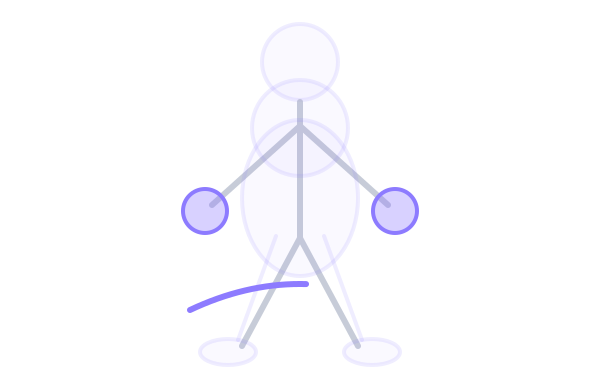 Hands 10 sTense the hands moderately, then release fully.
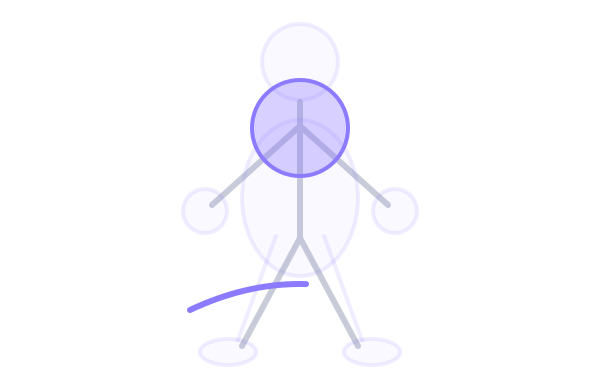 Shoulders 10 sLift the shoulders lightly and release.
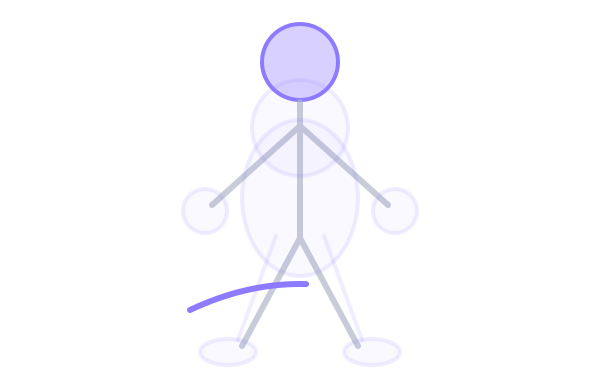 Face 10 sTense the face gently and release.
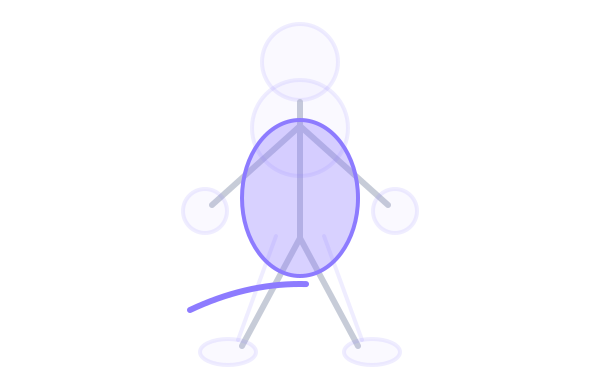 Abdomen 10 sTense the abdomen moderately without holding breath.
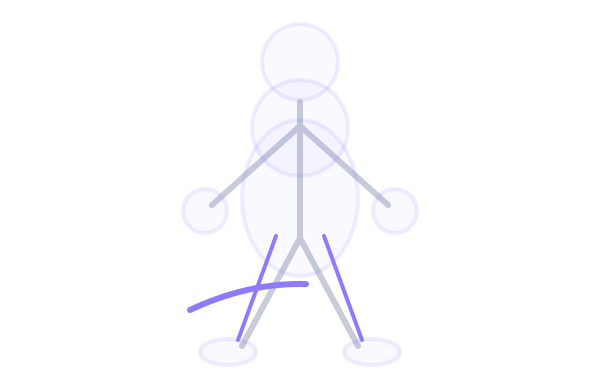 Legs 10 sTense the legs and then fully release.
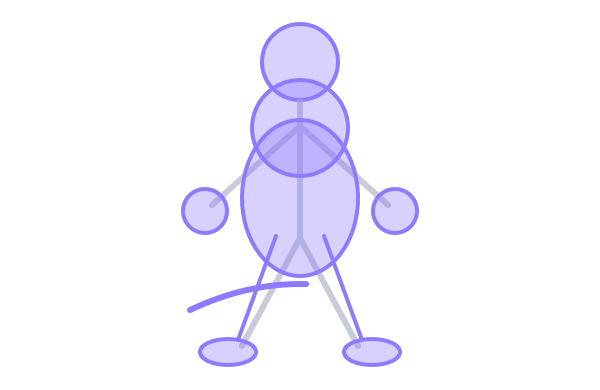 Rest 12 sNotice the contrast between tension and release.
Body scan · short
Observe sensations without judging or changing.
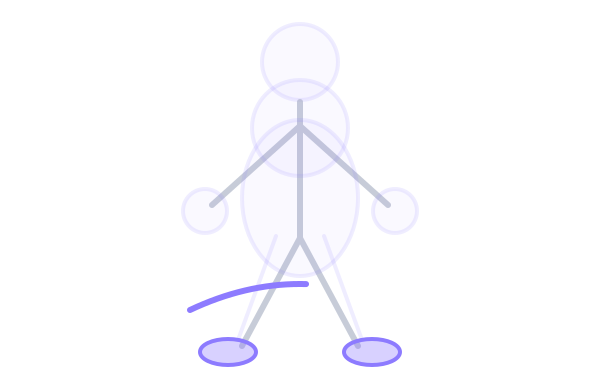 Feet 12 sNotice sensations in the feet.
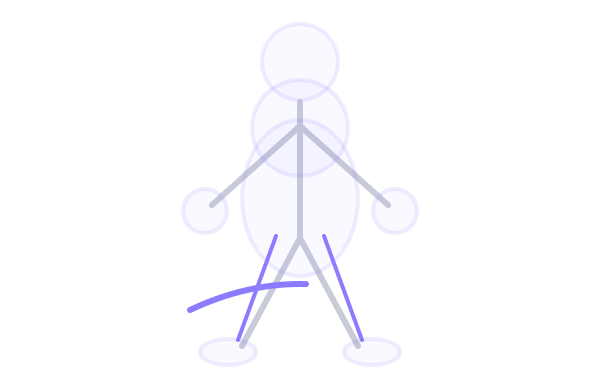 Legs 12 sMove attention to the legs.
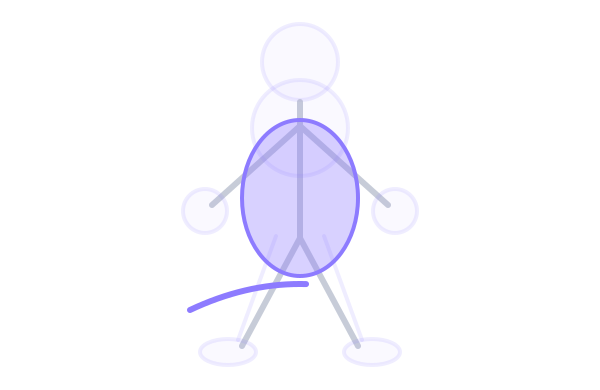 Torso 12 sNotice breathing and support through the torso.
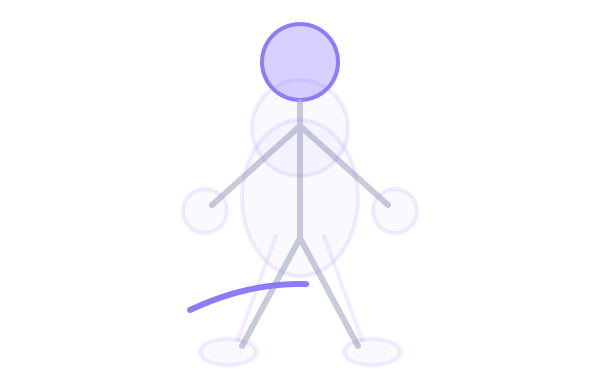 Face 12 sNotice sensations in the face and jaw.
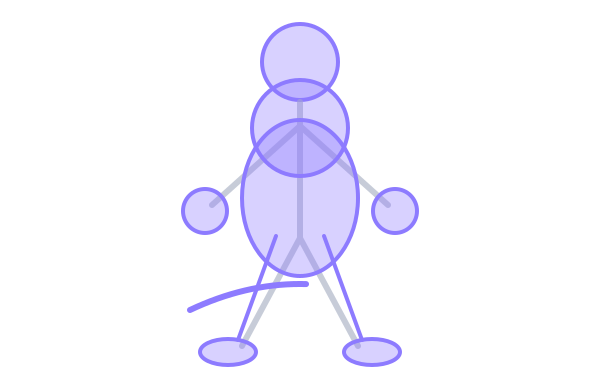 Whole body 12 sInclude the whole body in awareness.
Autogenic pause
Neutral Schultz-informed observation phrases without diagnosis or outcome claims.
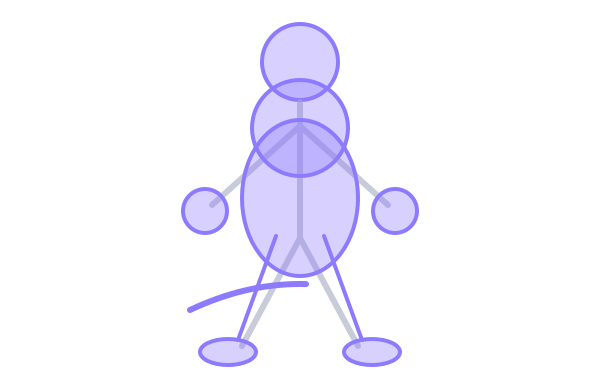 Settle 12 sChoose a stable comfortable position; eyes may stay open or closed.
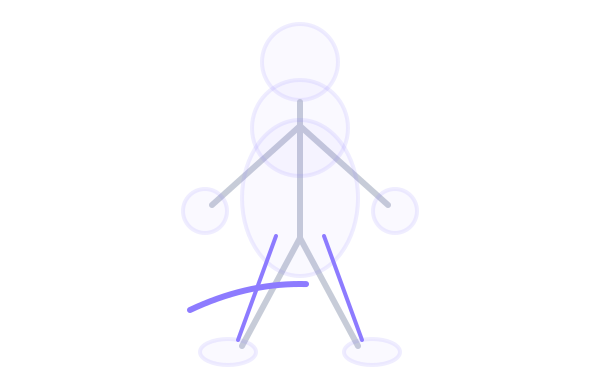 Sense support 14 sSilently note that arms and legs are supported. Do not force a feeling of heaviness.
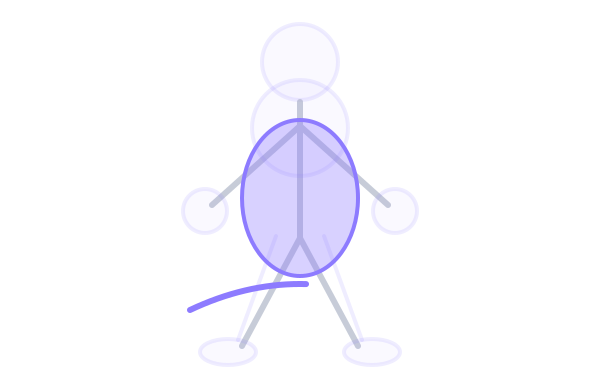 Temperature 14 sNotice the actual sense of warmth or coolness without trying to change it.
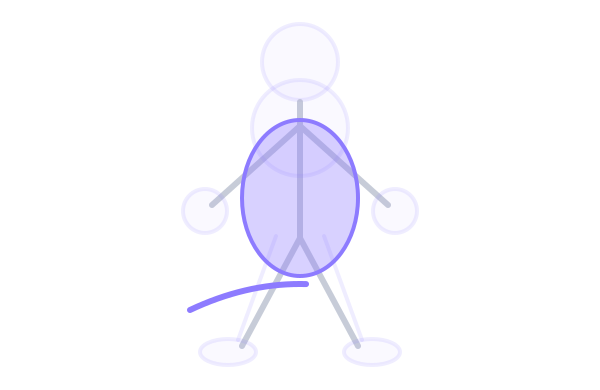 Natural breath 14 sLet breathing keep its own rhythm; do not lengthen or hold it.
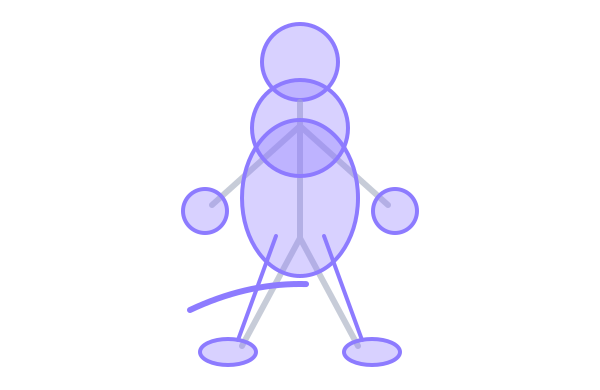 Return 12 sMove the fingers, open the eyes if needed, and finish calmly.